The Thrill of Uncertainty
The essence of gambling lies in its inherent uncertainty, a factor that captivates individuals and draws them into the vibrant world of casinos. The psychological concept of ‘risk-taking’ plays a central role here. When individuals place a bet, they enter a state of suspense, filled with anticipation about the outcome. This uncertainty activates the brain’s reward pathways, releasing dopamine—a neurotransmitter associated with pleasure and motivation. For example, those who enjoy gaming may seek out the best online pokies available, which enhance the thrill of uncertainty and create a powerful feedback loop, encouraging players to continue engaging in games despite potential losses, as each game offers the tantalizing possibility of a win.
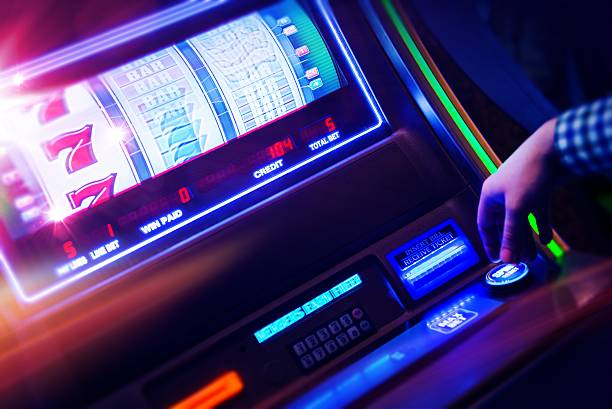
Moreover, the excitement is often amplified by the environment of casinos. Bright lights, engaging sounds, and the architecture designed to create an almost dream-like state contribute to an ambiance that heightens emotional responses. This sensory stimulation can obstruct rational thinking, enabling players to become immersed in the experience. As they chase the excitement, it becomes increasingly challenging to assess risk accurately, leading to impulsive decisions that can result in financial loss. The combination of adrenaline and sensory overload can create an addictive atmosphere that is hard to resist.
Interestingly, studies indicate that the unpredictability of outcomes can lead to a phenomenon known as ‘loss chasing,’ where players continue to gamble in hopes of recouping their losses. This behavior is often fueled by cognitive biases, such as the illusion of control and the gambler’s fallacy—where one mistakenly believes that past losses will influence future outcomes. This combination of psychological factors explains why many individuals find it hard to walk away from a game, even when it is not in their favor, perpetuating a cycle of gambling that can lead to significant financial and emotional distress.
The Role of Social Interaction
Social dynamics play a significant role in the psychology of gambling. In casinos, gamblers often find themselves caught up in a communal environment where the camaraderie can amplify the excitement of playing. Humans are inherently social beings, and the act of gambling within a group setting can enhance the overall experience. Conversations with fellow players and the shared joy of winning can create a sense of belonging, making it an appealing activity for many. This social aspect can transform gambling from a solitary endeavor into a shared adventure, heightening the thrill and encouraging participation.
Furthermore, social comparison can significantly influence gambling behavior. Players may feel pressure to maintain their status among peers, driving them to take on more significant risks than they typically would when gambling alone. This desire to compete or impress can lead to reckless decisions, pushing individuals to engage in high-stakes bets to keep up with others. The influence of social bonds and competition, thus, goes hand in hand with individual motivations, creating an environment where the stakes feel higher and the risks more enticing.
However, this social connection can also mask the underlying issues many gamblers face. For some, the social aspect may distract from the reality of their gambling habits, making it easier to overlook the consequences of their actions. Whether driven by the thrill of the game or the social environment, many gamblers may struggle to recognize when their behavior becomes problematic, perpetuating a cycle of continued gambling despite adverse outcomes. The intertwining of social dynamics with gambling can lead to a community that not only encourages participation but also obscures the need for self-awareness and responsible behavior.
The Impact of Near Misses
In the realm of casino games, the concept of a ‘near miss’—where a player narrowly misses the winning combination—has a profound psychological impact. Near misses can evoke feelings of frustration and excitement, leaving players with the impression that victory is just within reach. This phenomenon triggers the brain’s reward system similarly to actual wins, fostering a sense of hope and motivating players to continue gambling. The allure of a near miss can create a distorted perception of odds, leading players to believe that they are closer to winning than they are, which can be detrimental to their gambling patterns.
Moreover, this psychological aspect is cleverly exploited by casinos. Slot machines, for instance, are often engineered to display near-miss scenarios intentionally. When a player sees two out of three symbols align, it can create a false sense of confidence, compelling them to keep playing in hopes of achieving that ecstatic moment of victory. This design tactic not only enhances player engagement but also encourages the gambler’s fallacy, where players continue to chase what they perceive as inevitable success. The clever manipulation of near misses can keep players returning to the game, convinced that a win is just around the corner.
The effect of near misses reinforces the cycle of gambling. Players who experience them may become desensitized to losses and more willing to invest time and money, convinced that a win is on the horizon. This psychology can lead to a dangerous cycle of gambling, as players repeatedly chase the elusive thrill and potential reward, failing to recognize the detrimental impact on their finances and mental health. Understanding this aspect of gambling psychology is crucial for addressing the potential harm it can cause to individuals and their families.
The Allure of Escape
Gambling can often serve as a form of escapism for individuals seeking relief from the stresses of everyday life. The immersive environment of a casino allows players to temporarily disconnect from their reality, creating a space where they can indulge in fantasies of wealth, success, and excitement. This escape can provide immediate gratification, granting players a break from their responsibilities and anxieties, even if only for a fleeting moment. The allure of this escape can be powerful, drawing individuals in and making them susceptible to further gambling.

Many gamblers report that the thrill of the game distracts them from personal issues, be it financial struggles, relationship problems, or work-related stress. The sensory overload of casinos—the glittering lights, thrilling sounds of wins, and the atmosphere of celebration—can be overwhelmingly attractive, offering a sense of freedom from the mundane. As players immerse themselves in this environment, they may begin to equate gambling with relief, reinforcing the behavior and potentially leading to a reliance on gaming as a coping mechanism.
However, this escape can become problematic. As individuals turn to gambling for solace, they may begin to neglect their responsibilities and relationships, ultimately exacerbating their initial problems. The temporary relief offered by gambling can morph into a dependency, with players continuously seeking that buzz while unintentionally digging themselves deeper into challenges both financially and emotionally. This complex relationship underscores the necessity of understanding gambling as more than just a game but an emotional and psychological endeavor that can have far-reaching consequences.
Understanding the Psychological Factors at Play
To fully comprehend the psychology of gambling in casinos, it’s essential to appreciate the interplay of various factors, including cognitive biases, emotional states, and environmental stimuli. Each of these components shapes individual behavior and decision-making processes. For instance, cognitive biases like overconfidence can lead gamblers to misjudge their chances of winning, while emotional states can influence risk tolerance. A player in a positive mood may be more inclined to take risks compared to someone feeling anxious or stressed, demonstrating the complexity of human behavior in gambling situations.
The environment of a casino is meticulously crafted to enhance these psychological factors. With strategically placed sound and lighting, casinos create a space where players feel good and are more likely to engage in risk-taking behavior. The layout of the gaming floor often encourages exploration, making it difficult for players to exit. This design, combined with the psychological impulses driving gambling, signifies that casinos are not merely places for games but well-orchestrated environments deeply linked to human behavior and psychology.
As research into the psychology of gambling continues to evolve, acknowledging these factors is paramount. Understanding how psychological triggers influence gambling behavior can lead to better strategies for addressing gambling addiction and creating safer gambling practices. This insight also fuels conversations about responsible gambling, educating players about the psychological dependencies that can arise in such captivating environments. By fostering a deeper understanding of these factors, we can work towards creating a more informed and responsible approach to gambling.